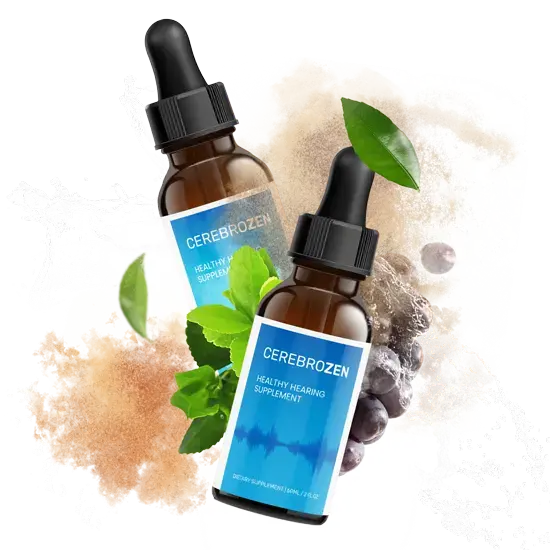
Cerebrozen vs Lipo-Flavonoid: Product Differences Without the Hype
Cerebrozen is a direct-response liquid supplement with a broad formula, while Lipo-Flavonoid is an established tablet product sold around a proprietary Tisina complex and vitamin-based ear-health positioning.
Quick comparison
Current Lipo-Flavonoid materials list an ear-ringing product with a proprietary Tisina complex plus B vitamins, vitamin C, calcium and related nutrients. It uses tablets/caplets rather than a liquid dropper.
| Factor | Cerebrozen | Lipo-Flavonoid |
|---|---|---|
| Delivery form | Liquid dropper | Tablets/caplets |
| Ingredient approach | Broad multi-ingredient formula; more than 20 ingredients claimed | Proprietary Tisina complex plus vitamins and nutrients |
| Sales model | Direct-response merchant funnel | Brand retail/e-commerce product |
| Current headline price | From $49 per bottle on current 6-bottle Cerebrozen offer | Public brand site recently listed a 150-count product around $31.49; retail pricing can vary |
| Evidence boundary | No proof that finished formula cures tinnitus | Brand cites product-specific/ingredient research, but consumers should distinguish marketing claims from independent evidence and clinical guidance |
What the difference means for shoppers
1. This is a bigger product-model difference
Lipo-Flavonoid is closer to a conventional retail supplement: tablets, vitamin-heavy formulation and a long-standing brand presence. Cerebrozen uses a liquid dropper, broader multi-ingredient storytelling and a bundle-focused direct-response funnel.
2. Lower sticker price is not the whole cost comparison
Serving count, recommended daily intake and package size differ, so compare cost per day rather than bottle price alone. Retail pricing for Lipo-Flavonoid can also vary by seller.
3. “Clinically shown” deserves careful reading
A brand may cite studies involving a proprietary ingredient complex, individual ingredients, or historical clinical use. That is not identical to a high-quality independent trial proving the product treats tinnitus in the broad population. NIDCD still states that dietary supplements promoted as tinnitus cures have not been proven effective.
What does not change between the two options
Neither a botanical ingredient list, a money-back guarantee nor a particular delivery format turns a dietary supplement into a proven treatment for tinnitus. NIDCD says dietary supplements advertised as tinnitus cures have not been proven effective. That evidence boundary applies regardless of brand.
How to choose without over-reading marketing claims
- Prefer the format you can take consistently, but do not assume liquid automatically means clinically superior absorption.
- Compare the ingredient label and actual per-serving amounts where disclosed.
- Check medication interactions and pregnancy warnings before purchase.
- Compare refund terms and delivered cost, not just headline “savings.”
- Separate “supports hearing wellness” language from claims that imply treatment of a disease or symptom.